
Colonial Beginnings
Maryland was founded in 1634 when English settlers, led by Leonard Calvert, arrived aboard the Ark and the Dove and established the colony's first settlement at St. Mary's City. The colony was granted to Cecil Calvert, the second Lord Baltimore, by King Charles I, and it quickly took on a distinctive character. Unlike many other English colonies, Maryland was founded partly as a haven for Catholics facing persecution in England, though it welcomed Protestant settlers as well. The Maryland Toleration Act of 1649 was one of the earliest laws in the American colonies to protect religious liberty for Christians, marking an early, if limited, experiment in religious pluralism.
Tobacco quickly became the colony's economic backbone, and with it came a growing reliance on indentured servitude and, increasingly, enslaved labor—a system that would define Maryland's economy and society for the next two centuries.
Revolution and a New Nation
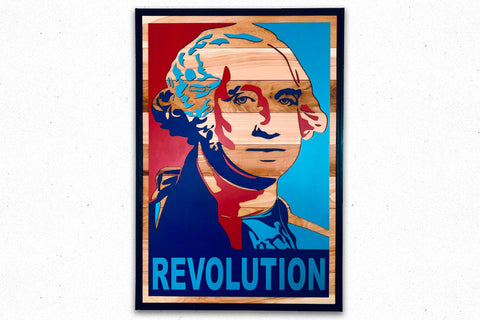
Maryland was one of the original thirteen colonies and signed the Declaration of Independence in 1776. During the Revolutionary War, Maryland troops earned the nickname "Old Line State" for their steadfast performance at the Battle of Long Island, a name still used today. After independence, Annapolis briefly served as the national capital, and it was there that George Washington resigned his military commission in 1783. Maryland later donated the land that would become Washington, D.C., cementing its role at the literal center of the new republic.

A Border State Divided
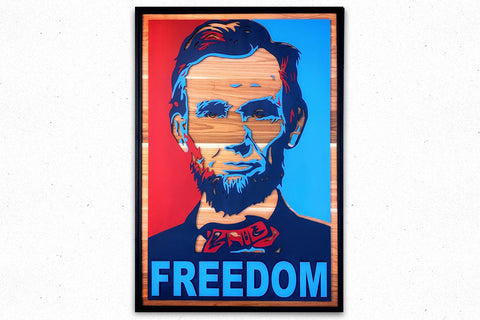
No period tested Maryland more than the Civil War. As a slaveholding state that never seceded from the Union, Maryland occupied a precarious middle ground. Its geographic position surrounding the nation's capital made its loyalty strategically vital, and Lincoln took extraordinary measures—including suspending habeas corpus—to keep it in the Union fold. The state was also the site of the Battle of Antietam in 1862, still the bloodiest single day in American military history. Maryland abolished slavery through its own 1864 constitution, ahead of the federal Thirteenth Amendment.
Industry, Immigration, and Modern Maryland
Baltimore emerged in the 19th and 20th centuries as a major port and industrial hub, drawing waves of immigrants and becoming a center for shipping, steel, and later biotechnology. The Chesapeake Bay, meanwhile, remained central to the state's identity, sustaining fishing and oyster industries that shaped local culture for generations.
Today, Maryland blends its colonial and industrial past with a modern identity as home to institutions like Johns Hopkins University, the National Institutes of Health, and a thriving Washington-adjacent economy. From tobacco fields to biotech labs, Maryland's history reflects the broader arc of the American experiment—shaped by conflict, compromise, and constant reinvention.